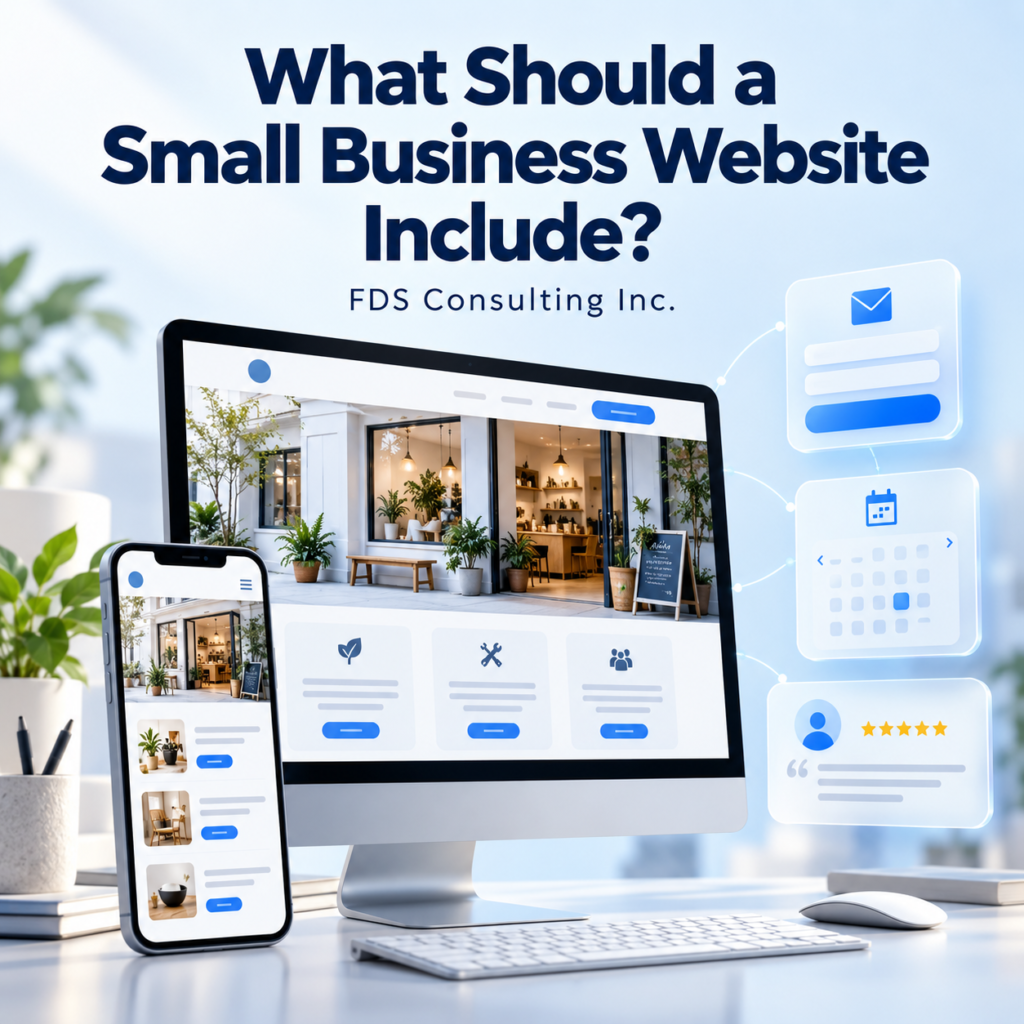
A business website should clearly explain what your company does, who it serves, and how customers can get started. That clarity matters whether someone visits your website directly or discovers information about your business through an AI-powered search experience.
Making a website easier to understand starts with useful content, accessible pages, and accurate business information. For Google’s AI Overviews and AI Mode, established SEO practices remain relevant; Google does not require a separate “AI registration” or special AI markup.
Here is a practical approach for business owners who want a stronger foundation for search visibility.
Give Every Core Service Its Own Page
A homepage introduces your company. A service page should help someone decide whether a specific service fits their needs.
If your company offers several services, avoid squeezing every explanation into one short section. Build a dedicated page for each core offering and answer these questions:
- What does the service include?
- Who is it designed for?
- What problem does it address?
- What does the customer need to provide?
- How does the process work?
- What is the next step?
For example, a website development page can explain the difference between a landing page, a business website, and an online store. A social media management page can describe content planning, approval, publishing, and reporting.
Specific descriptions give visitors more useful information than broad promises such as “complete digital solutions.”
Answer the Questions Customers Ask Before Buying
Use questions from consultations, emails, and sales calls to plan your content.
For a business considering a new website, useful topics might include:
- What should a small business website include?
- Can an existing website be improved without a full redesign?
- What affects the cost of website development?
- Who updates the website after launch?
Start each answer with the main point, then explain the details that affect the customer’s decision.
For example:
Can an existing website be improved without rebuilding it?
Yes. If the existing platform and design still meet the business’s needs, improvements may focus on service descriptions, navigation, mobile usability, and technical issues. A rebuild may be more appropriate when the current system cannot support the required functionality.
This approach creates helpful content without repeating keywords in every sentence. Use it because it answers a real question, rather than treating a question heading as a guaranteed AI ranking technique.
Make Essential Information Available as Text
Photos and videos help present your business, but essential facts should also appear in readable page text.
A restaurant should publish its menu descriptions, location, and reservation details as text alongside its visuals. A service business should explain its services outside promotional banners. A medical office should make its contact information and appointment instructions easy to find.
Google specifically recommends keeping important content available in textual form, making pages discoverable through internal links, and checking that crawling is allowed.
Keep Your Website and Business Profiles Current
Create a simple reference sheet containing your approved company name, phone number, website address, locations, business hours, and service descriptions.
Use it when updating your website, Google Business Profile, and public social media profiles. If a location closes or a phone number changes, update each relevant page and profile.
For companies with multiple locations, give each location a useful page with its own address, contact details, available services, and directions where appropriate. Avoid publishing near-identical pages for cities where the business has no meaningful presence.
Accurate information helps customers take the right action. It also reduces conflicting descriptions of your company across your public channels.
Support Your Claims With Real Details
Before publishing a statement, ask what evidence supports it.
Instead of “We deliver outstanding websites,” describe the work customers can review: the project’s goals, the features delivered, and the role your team played. Include portfolio links or approved client examples when available.
Only publish performance figures you can substantiate. Explain what was measured and over what period. If results vary by project, say so.
A useful article can also explain a limitation. For example, a new website still needs promotion, and an active social media account still needs a clear path to an inquiry or purchase.
Check the Technical Foundation
Ask your web team to review indexing restrictions, broken links, navigation, mobile usability, and access to important content.
Where structured data is appropriate, it should describe information that visitors can actually see. Google says no special schema is required for its AI search features, and meeting its requirements does not guarantee inclusion.
Treat technical improvements as part of ongoing website maintenance.
Connect Content to a Clear Next Step
Every article should help the reader move forward. Link to a relevant service page, show a related project, or invite the reader to request a consultation.
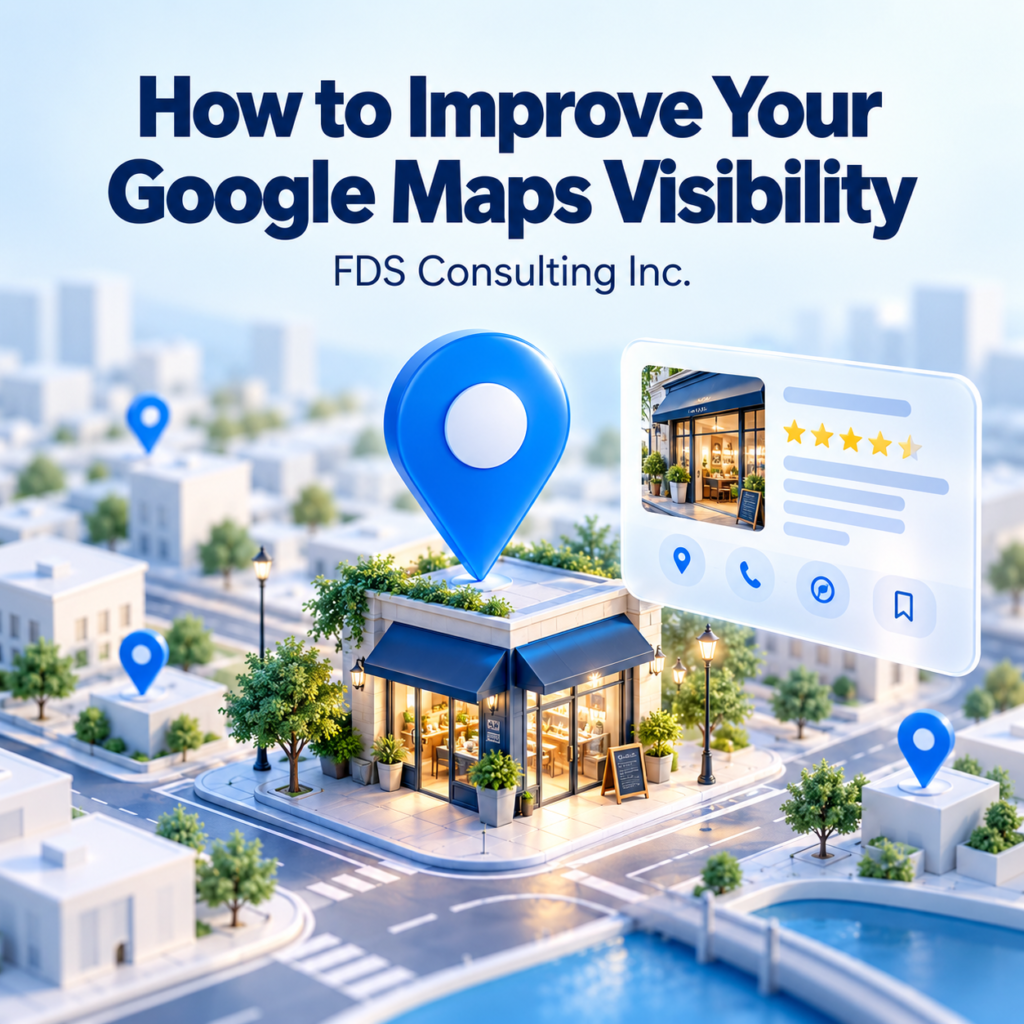
FDS Consulting Inc. provides website development, social media marketing, and Google Maps promotion. These services can support a coordinated presence: a website explains the offer, social content keeps customers informed, and a business profile helps people find local business information.
If your website does not clearly explain your services or guide visitors toward an inquiry, contact FDS Consulting Inc. to discuss your website and digital marketing needs.